
Acne Scar Treatment in Myrtle Beach, SC: Personalized Options for Smoother-Looking Skin


Acne may improve over time, but the scars left behind can continue to affect your skin’s texture and appearance. Many people find that even after breakouts are under control, concerns like uneven skin texture, depressed areas, or lingering marks remain. The right acne scar treatment approach can help improve the appearance of these concerns by addressing your specific scar type, skin condition, and personal goals.
At Nouveau Dermé in Myrtle Beach, SC, we believe every person’s skin deserves a thoughtful and personalized approach. No single treatment works for every type of acne scar. A consultation allows us to understand your concerns, explain your options, and create a plan based on your comfort level and desired outcome.
What You'll Learn From This Article
Why acne scars develop and why they can look different from person to person
The differences between boxcar scars, rolling scars, ice pick scars, and acne-related marks
How providers determine which acne scar treatment options may be appropriate
How treatments such as laser resurfacing, chemical peels, microneedling, and fillers may help improve skin texture
What to expect when discussing your options during a consultation at Nouveau Dermé
What Causes Acne Scars and Why Do They Form?
Acne scars develop when acne-related inflammation affects deeper skin structures. During healing, your body creates collagen, a protein that supports the skin’s structure. When this repair process isn't even, the skin may heal with changes in texture or appearance.
The type and severity of acne can influence whether scarring develops. Factors that may contribute include:
The depth and duration of inflammation
The type of acne involved
Genetics and individual healing patterns
Skin type
Irritation caused by picking or squeezing acne lesions
Acne marks and acne scars are not always the same. Redness or discoloration after acne may improve over time, while true acne scars involve changes to the skin's structure.
A published review explains that acne scarring involves changes in collagen organization, inflammation, and wound healing processes. Because acne scars can develop differently from person to person, treatment planning should consider each patient’s skin characteristics.
Understanding how acne scars form helps explain why a personalized approach is important when choosing treatment options.
Understanding the Different Types of Acne Scars

Acne scars can appear in different forms, and each type affects the skin differently. Identifying the scar type is an important step in creating an appropriate treatment plan.
Boxcar Scars
Boxcar scars are depressed scars with defined edges. They often create noticeable changes in skin texture because collagen damage leaves shallow indentations.
Rolling Scars
Rolling scars create a wave-like appearance across the skin. These scars are often related to changes beneath the surface that pull the skin downward, creating uneven contours.
Ice Pick Scars
Ice pick scars are narrow, deep scars that extend into the skin. Because they affect deeper layers, they may require more targeted treatment approaches.
Acne Marks and Redness
Some people refer to all post-acne changes as scars, but redness and discoloration are different from structural scars. These concerns may respond differently and should be evaluated separately.
A proper assessment helps determine whether the main concern is pigmentation, redness, uneven texture, depressed scars, or a combination of concerns.
How Providers Choose the Right Acne Scar Treatment Approach

Choosing an acne scar treatment starts with understanding your skin, not selecting a procedure based only on popularity. The best approach depends on several factors that are unique to you.
During a consultation, a provider may consider:
The type of acne scars present
Scar depth and location
Your skin type and sensitivity
Previous treatments you have tried
Your desired level of improvement
Your lifestyle and comfort with recovery time
Some scars respond better to treatments that stimulate collagen, while others may require techniques that address deeper scar tissue or lost volume.
At Nouveau Dermé, we focus on clear communication and personalized recommendations. We take time to explain what each treatment may help with, what the process involves, and what expectations are realistic.
Once we understand your skin concerns, the next step is exploring which treatment options may fit your goals.
Acne Scar Treatment Options That May Improve Skin Texture
Several treatments may help improve the appearance of acne scars. The right option depends on your scar type, skin condition, and treatment goals.
Treatment Option | How It Works | May Help Address | Considerations |
Uses controlled energy to target damaged skin layers and encourage skin renewal | Certain texture concerns and acne scars | Settings should be selected based on skin type and treatment goals | |
Uses professional-grade solutions to exfoliate the skin | Surface texture and some discoloration concerns | Skin evaluation is important before treatment | |
Creates controlled micro-injuries that support collagen production | Certain texture concerns | Response varies between individuals | |
Adds volume beneath selected areas of depressed skin | Some depressed acne scars | Not suitable for every scar pattern | |
Subcision or punch excision | Addresses specific scar structures | Certain deeper scars | Requires evaluation by a qualified provider |
Laser Resurfacing

Laser resurfacing is commonly used to treat acne scars because it targets damaged skin and encourages collagen remodeling.
Depending on the type of laser used, treatment may focus on improving uneven texture and supporting smoother-looking skin. However, laser treatments are not identical for every patient. Skin type, scar severity, and treatment settings all play an important role in determining an appropriate approach.
A clinical review of acne scar treatments discusses how laser procedures may fit into a broader treatment strategy, with selection based on scar characteristics, patient factors, and expected outcomes
Chemical Peels

Chemical peels use carefully selected solutions to exfoliate the skin. Depending on the peel type and strength, they may help improve certain surface texture and discoloration concerns.
A provider should consider your skin type, current skincare routine, and overall skin condition before recommending this option.
Microneedling and Collagen Stimulation

Microneedling uses controlled micro-injuries to encourage the skin’s natural repair process. This process may stimulate collagen production, which plays an important role in supporting skin structure.
Microneedling may help with some acne scar concerns, but the best approach depends on the type and severity of scarring.
Dermal Fillers

Certain depressed acne scars may benefit from filler treatments that restore volume beneath the skin. Fillers containing ingredients such as hyaluronic acid may help improve the appearance of selected scars.
However, filler is not appropriate for every type of acne scar. A provider must evaluate the scar pattern, surrounding skin, and treatment goals before recommending this option.
Advanced Scar Treatment Techniques for Certain Acne Scars
Some acne scars involve bigger structural changes within the skin. These concerns may require more targeted treatment techniques.
Subcision
Subcision is a technique that releases scar tissue beneath the skin. It may be considered for certain rolling scars where underlying attachments contribute to a depressed appearance.
Punch Excision
Punch excision is a targeted technique used for specific deeper scars, including some ice pick scars. Rather than treating the entire skin surface, this approach focuses on individual scar areas.
Combination Treatment Approaches
Many people have more than one type of acne scar. Because of this, combining treatments may sometimes be considered to address different concerns at the same time.
A 2022 review examined acne scar treatment approaches and highlighted the importance of matching treatment selection with scar type, patient characteristics, and realistic expectations.
The goal is not to choose the most aggressive option. The goal is to find an approach that fits your skin and your priorities.
What to Expect During an Acne Scar Treatment Consultation at Nouveau Dermé
Starting a treatment plan can feel uncertain when so many options are available. A consultation gives you the opportunity to ask questions and understand what may be appropriate for your skin.
During your visit, your provider may discuss:
Your acne history and previous treatments
The types of scars you want to address
Your skincare routine
Your skin sensitivity
Your goals and expectations
Possible treatment options and recovery considerations
At Nouveau Dermé, we believe recommendations should feel personal, not pressured. Our team focuses on creating a comfortable experience where you can make informed decisions about your skin.
Caring for Your Skin Before and After Treatment
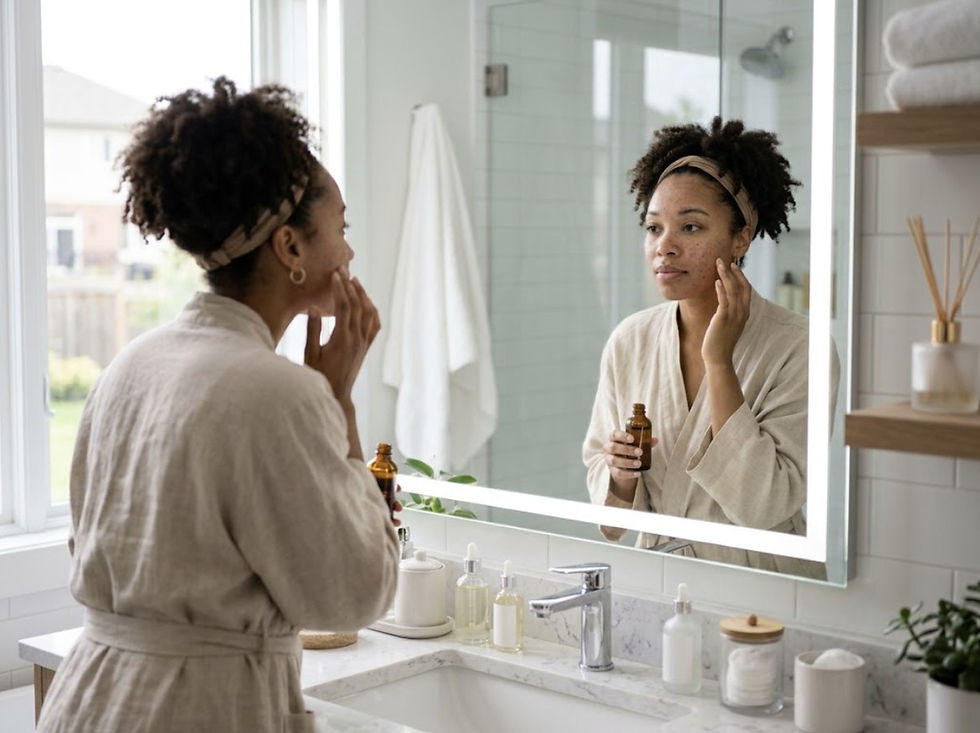
Your skincare habits can support your skin before and after treatment. Following professional guidance is an important part of caring for treated skin.
Before treatment, your provider may review:
Current skincare products
Active ingredients you use
Medications or factors that may affect your skin
After treatment, recommendations may include:
Protecting your skin from sun exposure
Following aftercare instructions carefully
Avoiding products that may irritate healing skin
Allowing appropriate recovery time
Redness, sensitivity, and downtime can vary depending on the procedure, your skin type, and how your skin responds.
Choosing an Acne Scar Treatment Provider in Myrtle Beach, SC
When searching for acne scar treatment in Myrtle Beach, SC, choose a provider who prioritizes education and personalized care so you can feel confident in your decision.
A quality consultation should include:
A review of your skin concerns
An explanation of available treatment options
Clear expectations about the process
Recommendations based on your individual needs
At Nouveau Dermé, our boutique aesthetic experience is built around trust, comfort, and thoughtful care. We help you understand your options and create a plan that matches your goals.
Frequently Asked Questions About Acne Scar Treatment
1. What is the best acne scar treatment?
The best acne scar treatment depends on your scar type, skin condition, and personal goals. Options such as laser resurfacing, chemical peels, microneedling, fillers, subcision, or punch excision may be considered based on your individual needs.
2. Can acne scar treatment completely remove scars?
Acne scar treatment is designed to improve the appearance of scars and support smoother-looking skin. The level of improvement varies depending on factors such as scar type, treatment approach, and individual healing response.
3. How does laser treatment help with acne scars?
Laser treatment may help improve certain acne scars by targeting damaged skin layers and supporting collagen remodeling. A provider will consider your skin type and scar pattern before deciding whether laser treatment is appropriate.
4. How do I know which acne scar treatment is right for my skin?
The right treatment depends on your scar type, skin condition, goals, and comfort level. A consultation lets a provider evaluate your concerns and discuss options.
5. Are fillers used for acne scar treatment?
Fillers may be used for some depressed acne scars. Hyaluronic acid fillers may add temporary volume beneath selected areas, but they are not appropriate for every scar type.
Explore Acne Scar Treatment Options in Myrtle Beach, SC
Acne scars can remain even after active acne improves, but understanding your options can help you make a more informed decision about your skin.
If you are considering acne scar treatment in Myrtle Beach, SC, Nouveau Dermé is here to provide personalized guidance in a comfortable, no-pressure environment. Schedule a consultation to discuss your concerns and explore options that may fit your skin goals.


Comments